How Long Do Fresh Flowers Last? Tips from Our Florists
It's one of the questions we're asked most often: how long will these flowers last? It's a fair question — especially when you've received a beautiful arrangement as a gift, or you're buying flowers for a special occasion and want them looking their best for as long as possible.
The short answer is that most fresh flowers last between 7 and 14 days with the right care. But the real answer is more interesting than that — because how long your flowers last depends enormously on what you do (and don't do) in the first 24 hours. As professional florists in Durban, we've put together our honest guide to getting the most out of every bouquet.
How Long Do Different Flowers Last?
Not all flowers age at the same rate. Here's a general guide to what to expect from popular varieties:
Roses — 7 to 10 days with good care. Garden roses tend to be slightly shorter-lived than hybrid varieties, but their beauty more than compensates.
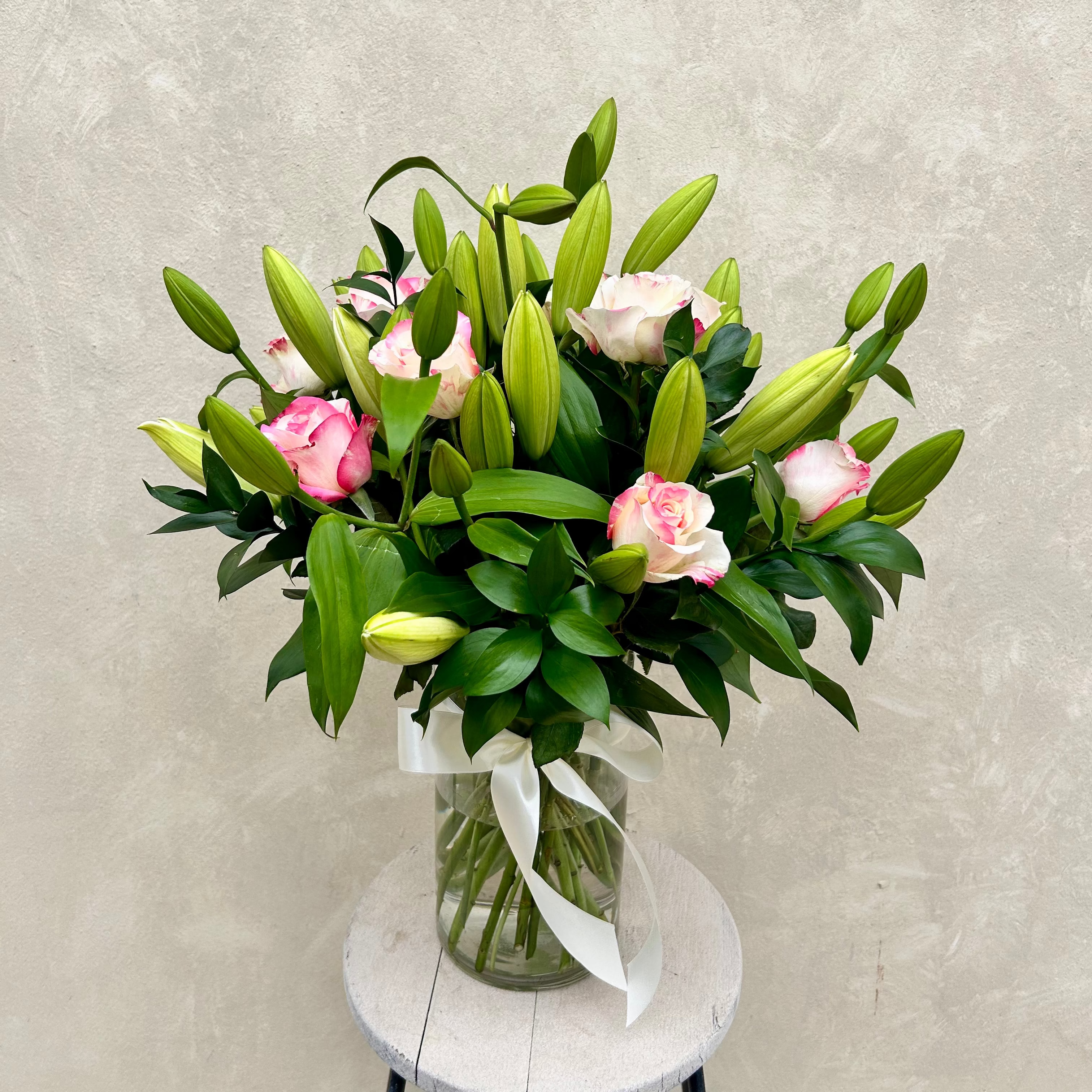
Lilies — 10 to 14 days. Lilies are wonderful value because they arrive partially closed and continue opening for days. Remove the orange pollen anthers as they open to prevent staining and to extend the bloom life.
Sunflowers — 6 to 10 days. They love warmth and light but are sensitive to ethylene gas (see below). Keep them away from fruit bowls.
Gerberas — 7 to 10 days. These vibrant blooms benefit from relatively shallow water — about 5cm is ideal.
Proteas and fynbos — Among the longest-lasting, often 2 to 3 weeks or more. Proteas will even dry beautifully if left in a vase as the water evaporates.
Peonies — 5 to 7 days when fully open. Buy or receive them in bud form and you'll enjoy watching them unfurl over several days.
Carnations — Surprisingly long-lasting, often 2 weeks or more. An underrated choice when longevity matters.
Hydrangeas — Beautiful but thirsty. They can wilt quickly if dehydrated. Re-cutting the stems and submerging the head briefly in cool water can revive a drooping hydrangea dramatically.
The Most Important Thing You Can Do: Cut and Water Correctly
This single step makes the biggest difference, and it's one many people skip.
Re-cut the stems before placing in water. When flowers are out of water — even for a short time, including during transport — the cut end seals over slightly, restricting water uptake. Use sharp scissors or a knife and cut at a 45-degree angle, removing about 2cm from the base of each stem. The angle maximises the surface area for water absorption.
Use clean, lukewarm water. Cold water can shock tropical or tropical-adjacent blooms. Lukewarm water is absorbed more readily by most cut flowers.
Change the water every two days. Bacteria build up in vase water quickly and this is one of the primary causes of premature flower death. Fresh water, every two days, makes a noticeable difference.
Use flower food. If your arrangement came with a sachet of flower food, use it — it contains the right combination of nutrients, acidifier, and biocide to keep your flowers fresh longer. If you've run out, a teaspoon of sugar and a few drops of bleach in a litre of water is an effective alternative.
Where You Place Your Flowers Matters More Than You Think
Once your bouquet is in a vase, placement is the next consideration.
Away from direct sunlight. A sunny windowsill might seem like the perfect spot, but heat and UV light accelerate wilting significantly. Choose a spot with bright, indirect light instead.
Away from heat sources. Radiators, heating vents, and even television sets generate heat that will shorten the life of your flowers. The cooler the room, the longer the blooms.
Away from fruit. Ripening fruit releases ethylene gas — a natural compound that accelerates the ageing process in flowers. Keep your vase on the other side of the kitchen from the fruit bowl.
Away from air conditioning vents. While cool air is generally good for flowers, a direct blast of cold, dry air from an air conditioning unit will dehydrate blooms quickly.
If possible, move your arrangement to the coolest room in the house overnight — many florists do exactly this for their display flowers, and it adds days to their vase life.
Signs Your Flowers Need Attention
Not all wilting is terminal. Here's what to do when your flowers start looking a little tired:
Drooping stems — Re-cut the stems, change the water, and place the arrangement in a cool room for a few hours. Many bouquets recover beautifully.
Yellowing leaves — Remove them immediately. Decaying foliage speeds up bacterial growth in the water. Keeping the water clean is the priority.
Petals dropping — This is usually a sign the bloom has reached the end of its natural cycle. Remove spent blooms and allow the remaining flowers more space — they'll often last several more days.
Slimy stem ends — The stems have been sitting in bacterial water. Re-cut, clean the vase thoroughly, refill with fresh water and flower food.
Our Final Tip: Start Fresh
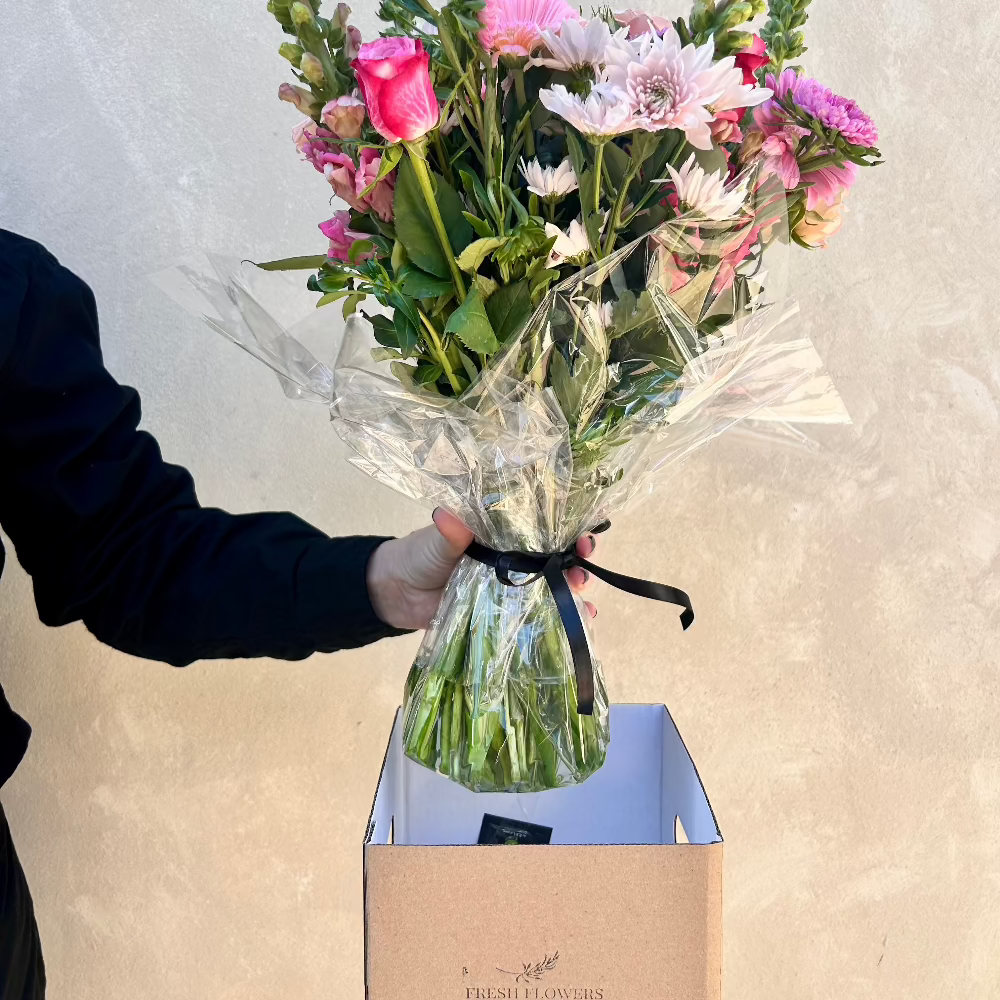
The best flower care starts before the flowers arrive home. If you're collecting from our shop on Florida Road, we'll trim and wrap your bouquet to order. If we're delivering to you, our arrangements go out fresh the day they're made — never pre-arranged and sitting overnight. Starting with truly fresh flowers means every day of care counts for more.
Shop Fresh Flowers in Durban
At Fresh Flowers on Florida, we source the freshest blooms available in KwaZulu-Natal and handcraft every arrangement to order. That freshness, from source to your vase, is the foundation of flowers that last.
👉 Browse our full collection and order online for same-day delivery across Durban — or pop in and see us on Florida Road.